email
email français
 English
 Deutsch
 русский
 italiano
 español
 português
 العربية
 日本語
日本語 한국의
한국의 中文
中文


-
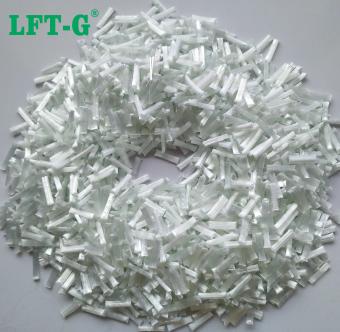
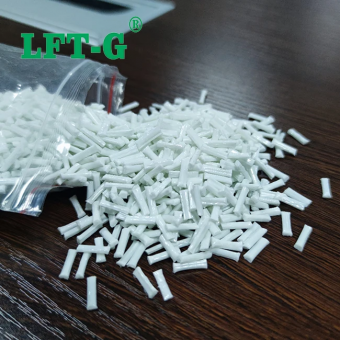
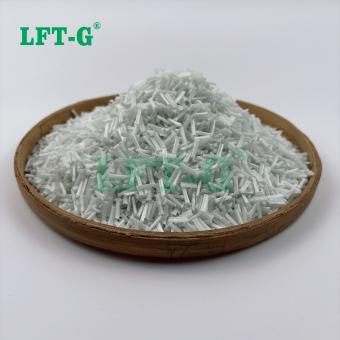
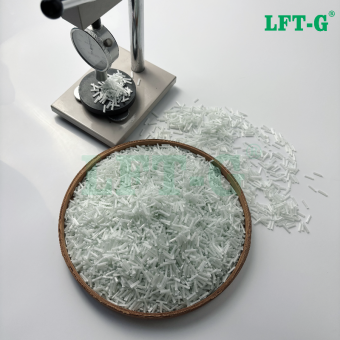
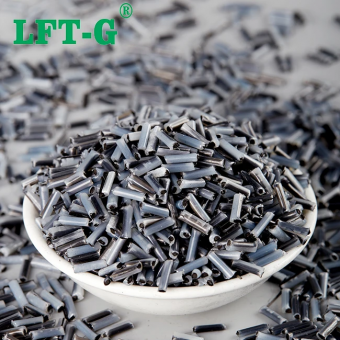
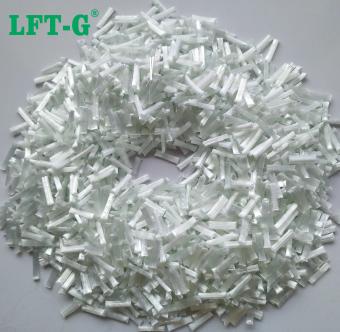
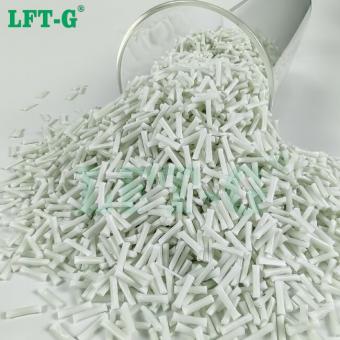
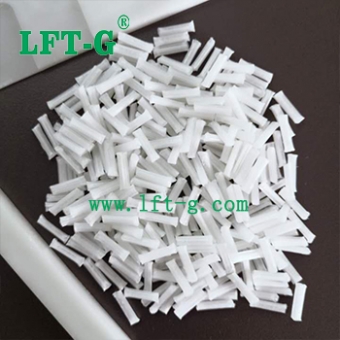
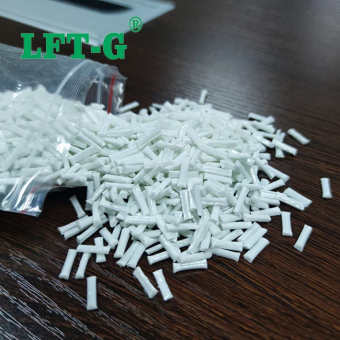
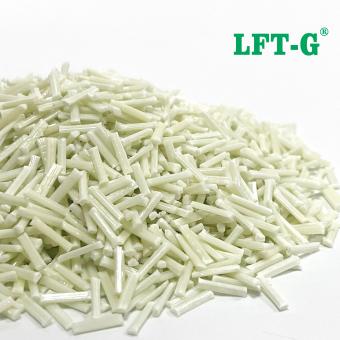
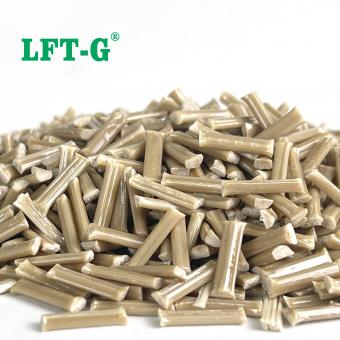
PP renforcé de fibres de carboneHDPE-LGF | Solution composite en polyéthylène renforcé par fibres longues | LFT-G THERMOPLASTIQUE RENFORCÉ PAR FIBRES LONGUES PP-LGF Polyéthylène renforcé par fibres longues Un matériau composite haute performance combinant les avantages de rigidité élevée et de légèreté du PP homopolymère avec la capacité de renforcement supérieure des fibres de verre longues. Conçu pour les applications structurelles nécessitant une excellente rigidité, une stabilité dimensionnelle, des performances aux chocs et une durabilité à long terme. Demander des données techniques 20-60%Teneur en fibres de verre 6-25 mmLongueur des fibres longues ÉlevéeRésistance aux chocs ÉlevéeRigidité Qu'est-ce que le PP-LGF ? Le PP homopolymère-LGF est un composite en polypropylène renforcé par fibres de verre longues conçu pour les applications structurelles légères. La combinaison d'une matrice rigide en PP homopolymère et de fibres de verre longues offre une rigidité, une résistance, une résistance au fluage et une stabilité dimensionnelle considérablement améliorées. Comparé au polypropylène conventionnel renforcé par fibres de verre courtes, le réseau de renforcement par fibres longues améliore l'efficacité du transfert de charge, ce qui permet d'obtenir des performances mécaniques supérieures et une durée de vie plus longue. Pourquoi la technologie des fibres longues ? Réseau de renforcement par fibres longues Lors de la transformation, les fibres de verre longues conservent des chemins de renforcement plus longs à l'intérieur de la matrice polymère. Le réseau continu de fibres améliore l'efficacité du transfert de charge et offre des performances structurelles améliorées. ✓ Résistance mécanique améliorée✓ Résistance aux chocs supérieure✓ Meilleures performances en fatigue✓ Résistance au fluage améliorée✓ Stabilité dimensionnelle améliorée Principaux avantages du matériau Rigidité et résistance élevées Offre une excellente rigidité et une capacité de support de charge élevéepour les composants structurels. Excellente stabilité dimensionnelle Maintient la précision dimensionnelle sous une charge mécanique à long terme. Résistance supérieure au fluage Améliore les performances à long terme sous contrainte mécanique continue. Conception légère Permet une réduction significative du poids par rapport au métal tout en maintenant les performances structurelles. Comparaison du PP-LGF avec les matériaux traditionnels Propriété PP standard PP-LGF Métal Résistance Moyenne Élevée Élevée Poids Très faible Faible Élevé Résistance aux chocs Excellente Excellente Moyenne Résistance chimique Excellente Excellente Limitée Résistance à la corrosion Excellente Excellente Faible Applications du PP-LGF Le PP-LGF fournit des solutions légères et durables pour les industries nécessitant de hautes performances mécaniques et une fiabilité à long terme. Modules automobiles Supports de tableau de bordModules avantSupports de batterieStructures de sièges Équipements industriels Carter de machinesSupports structurelsComposants industriels Composants pour consommateurs et appareils électroménagers Structures de meublesCarter d'outils électriquesChâssis d'appareils électroménagers Données techniques Matrice polymère Polypropylène homopolymère (HPP) Renforcement Fibre de verre longue Teneur en fibres 20 %-60 % Longueur des fibres 6-25 mm Méthode de traitement Moulage par injection Personnalisation Teneur en fibres / Couleur / Exigences de performance Pourquoi choisir LFT-G ? Expertise en fibres longues Spécialisé dans les matériaux thermoplastiques renforcés de fibres longues pour les applications exigeantes. Solutions personnalisées Les grades de matériaux peuvent être ajustés selon les performances mécaniques et les besoins des applications. Gestion de la qualité Fabriqué conformément aux exigences de gestion de la qualité automobile, notamment IATF 16949. Assistance d'approvisionnement mondiale Accompagnement des clients dans le monde entier avec une production stable et un service technique. Assistance au développement d'applications 01 Sélection des matériaux 02 Tests de prototypes 03 Validation des performances 04 Production en série Développez votre solution structurelle légère Contactez les ingénieurs de LFT-G pour des recommandations de matériaux PP-LGF, des données techniques et une assistance pour les applications. Contacter l'ingénieur matériaux
- Le polypropylène est-il plus léger que la fibre de carbone ?
- matériau composite PP CF
- polymère renforcé de fibres de carbone
- polypropylène PP homopolymère
- plastique d'ingénierie PP
- granulés de plastique PP modifié
Tags :
-
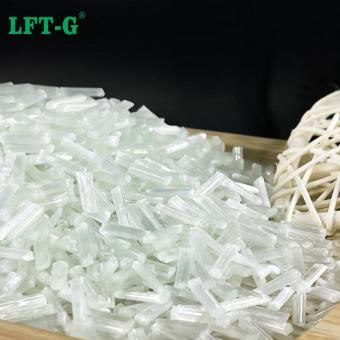
PE haute densité renforcé de fibres de verreHDPE-LGFcombine le polyéthylène haute densité avec des fibres de verre longues pour offrir une résistance mécanique exceptionnelle, une résistance aux chocs et une stabilité dimensionnelle à long terme. C'est une alternative légère idéale aux matériaux traditionnels pour les composants structurels et industriels.
- PEHD chargé de fibres de verre
- qu'est-ce que le PEHD dans le plastique
- exemples de plastique PEHD
- Qu'est-ce que le plastique polyéthylène haute densité (PEHD)
- Quel est le processus de moulage du PEHD ?
- usine de fibre de verre en PEHD
Tags :
-
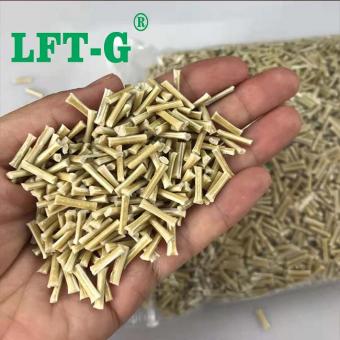
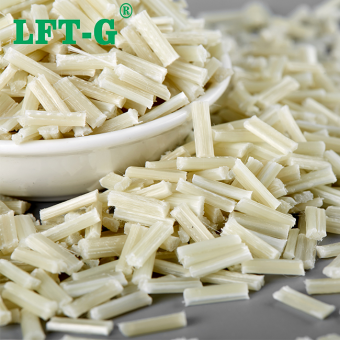
Moulage par injection à haute ténacité de MXD6 avec remplissage de longues fibres de verre LFTDétails du produit Qu'est-ce que le MXD6 chargé en fibres de verre ? MXD6-LGF (MXD6 renforcé par des fibres de verre longues) est un composite thermoplastique haute performance fabriqué à partir de résine polyamide MXD6 renforcée par des fibres de verre longues. Grâce à une technologie avancée de pultrusion, les fibres de verre continues sont entièrement imprégnées de résine MXD6 avant la granulation, garantissant une excellente conservation de la longueur des fibres et la formation d'une structure interne hautement renforcée après le moulage par injection. Comparé au MXD6 standard ou au MXD6 renforcé par des fibres de verre courtes, le MXD6-LGF offre une résistance à la traction, une rigidité, une résistance aux chocs, une résistance au fluage et une stabilité dimensionnelle nettement améliorées. La résine MXD6 elle-même offre une excellente résistance mécanique, une haute résistance thermique, une faible absorption d'humidité par rapport aux polyamides traditionnels, d'excellentes propriétés barrières aux gaz, une résistance chimique, ainsi qu'une bonne précision dimensionnelle. Associé au renforcement par fibres de verre longues, le MXD6-LGF offre une capacité supérieure de support de charge, une résistance à la fatigue et une fiabilité à long terme, ce qui en fait un matériau d'ingénierie léger idéal pour les composants structurels automobiles, les pièces électriques et électroniques, les applications industrielles et d'autres environnements exigeants nécessitant une haute résistance, une résistance thermique et une stabilité dimensionnelle. Applications typiques Le MXD6-LGF combine l'excellente résistance mécanique, la résistance thermique, la stabilité dimensionnelle et les propriétés barrières aux gaz de la résine MXD6 avec l'effet de renforcement supérieur des fibres de verre longues. Il offre une résistance à la traction, une rigidité, une résistance au fluage, des performances en fatigue et une précision dimensionnelle considérablement améliorées tout en conservant une bonne résistance chimique et des caractéristiques de légèreté, ce qui le rend adapté aux applications automobiles, électriques, industrielles et structurelles exigeantes nécessitant de hautes performances et une fiabilité à long terme. Applications automobiles Composants structurels, pièces du compartiment moteur, composants de systèmes de batterie et pièces automobiles légères nécessitant une haute résistance, une résistance thermique, une stabilité dimensionnelle et une fiabilité à long terme. Électricité et électronique Connecteurs, boîtiers de capteurs, composants électroniques et pièces de précision nécessitant d'excellentes performances mécaniques, une faible absorption d'humidité, une résistance thermique et une précision dimensionnelle. Composants industriels et mécaniques Composants de pompes, corps de vannes, engrenages, boîtiers et pièces mécaniques nécessitant une rigidité élevée, une résistance à la fatigue, une résistance chimique et une durabilité à long terme. Applications à haute barrière Composants de systèmes de carburant, couches barrières et applications d'emballage haute performance nécessitant d'excellentes propriétés barrières aux gaz, une résistance chimique et des performances fiables à long terme. Questions fréquemment posées Quelle est votre quantité minimale de commande (MOQ) ? Les commandes d'essai sont les bienvenues. Notre MOQ standard est de 25 kg pour les qualités renforcées par fibres de verre et de 20 kg pour les qualités renforcées par fibres de carbone. Comment garantissez-vous la qualité ? La qualité est contrôlée tout au long du processus de production complet, notamment l'inspection de la résine MXD6, l'imprégnation des fibres de verre, la granulation et les tests du produit final. Chaque lot de MXD6-LGF fait l'objet de contrôles qualité stricts afin de garantir une distribution uniforme des fibres, des propriétés mécaniques, un aspect et une stabilité de transformation constants. Les rapports d'essais des matériaux (MTR) et les fiches techniques peuvent être fournis avant l'expédition. Une inspection par un tiers peut également être organisée selon les exigences du client. Pouvez-vous personnaliser les matériaux ? Oui. Nous fournissons le développement de matériaux MXD6-LGF personnalisés selon différentes exigences d'application.Notre équipe technique peut ajuster la teneur en fibres de verre, la résistance aux chocs, la rigidité, la résistance thermique, la couleur, les performances de cristallisation et d'autres propriétés afin de répondre aux exigences spécifiques des produits. Quels sont les avantages du MXD6-LGF par rapport au MXD6 standard ? Comparé au MXD6 standard, le MXD6-LGF offre une rigidité, une résistance à la traction, une résistance au fluage et une stabilité dimensionnelle nettement supérieures.La structure de renforcement par fibres de verre longues aide à maintenir les performances mécaniques sous des charges continues et dans des environnements exigeants, ce qui rend le M...
- polyadipyl-m-benzoylamine LGF
- composite de fibres de verre longues
- Fabricant de LGF modifié, vente directe
- composés MXD6 à fibres de verre longues
- meilleur prix pour la vente en gros de renfort polymère
- lft-g MXD6 renforcé de fibres GF 20 %-60 %
Tags :
-
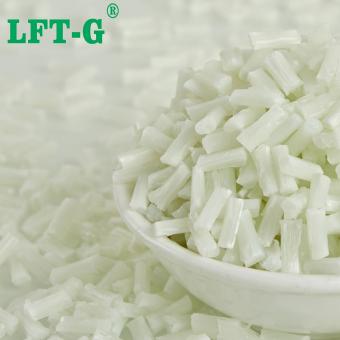
Matériau HDPE renforcé par de longues fibres de verre, haute résistance et excellente résistance aux chocsLe matériau renforcé par de longues fibres de verre en HDPE (polyéthylène haute densité) utilise une technologie avancée de longues fibres de verre pour améliorer considérablement les propriétés mécaniques tout en conservant la légèreté du HDPE. Comparé au HDPE conventionnel, ce matériau offre une rigidité, une résistance et une résistance aux chocs supérieures tout en conservant une excellente résistance chimique et une bonne résistance aux intempéries.
- résine plastique pe
- tuyau pe
- PE haute densité
- PE renforcé de fibres de verre
- granulés de plastique améliorés
- Usine de plastique en Chine
Tags :
-
Composites LFT en matériau biosourcé renforcés de fibres de PLALe LFR-PLA peut être transformé à l'aide de techniques conventionnelles de transformation des plastiques telles que le moulage par injection et l'extrusion, offrant une bonne adaptabilité dans la fabrication. Il est largement utilisé dans des secteurs comme l'automobile, l'électronique grand public, l'impression 3D et les emballages écologiques grâce à sa combinaison de haute performance et de durabilité.
- matériau en acide polylactique
- pla acide polylactique
- bioplastique en acide polylactique
- polymère d'acide polylactique
- verre pla
- filament pla en fibre de carbone
Tags :
-
Composite LFT en sulfure de polyphénylène thermoplastique à fibres longues PPS LGF40 %Nom du produit : PPS renforcé avec 40 % de fibres de verre longues Longueur : environ 12 mm Application : pièces automobiles, composants énergétiques et autres pièces en plastique
- PPS LGF
- composite PPS renforcé de fibres de verre
- polymère PPS
- PPS LFT avec 40 % de fibres de verre
- PPS LFT
Tags :
-
Composites PBT chargés de fibres LFT-G à haute résistance pour moulage par injectionNos composés PBT renforcés de fibres de verre longues offrent une haute résistance et excellente compatibilité chimique, applications industrielles où la durabilité et les performances sont essentielles.
- compatibilité chimique du PBT
- polymère de remplissage en fibres de verre longues
- fournisseur de PBT de couleur naturelle
- matériaux renforcés pour application du PBT
- résine composée à haute résistance
- PBT à fibres longues pour usage industriel
Tags :
-
PPA renforcé avec de longues fibres de verrePPA renforcé de fibres présente une résistance élevée aux températures, une grande résistance mécanique et une faible densité, il est donc considéré comme la meilleure résine pour remplacer l'acier par du plastique à l'avenir. Il peut être utilisé dans de nombreux domaines industriels et civils, notamment l'automobile, les équipements, le divertissement, la transformation alimentaire, les communications, l'électronique et l'électricité, les outils électriques, le jardinage, etc.
- plastique modifié en polyphthalamide PPA
- plastique PPA renforcé résistant aux hautes températures
- nylon PPA fabriqué en Chine avec charge en fibres de verre longues
- matériaux PPA rigides à hautes propriétés mécaniques
- la résine plastique de sécurité PPA peut être recyclée
- fournisseur de PPA moulé par injection à bon prix
- point de fusion du polymère PPA
- Quelle est la température du PPA
- composite thermoplastique PPA
Tags :
-
Granulés TPU composites renforcés à longue fibre de verreTPU (polyuréthane thermoplastique) composite renforcé de fibres de verre longues est un matériau haute performance qui combine l'excellente flexibilité, la résistance à l'abrasion et la résistance aux intempéries du TPU avec la résistance supérieure et la stabilité dimensionnelle des fibres de verre longues.
- plastique TPU
- matériau plastique TPU
- thermoplastique TPU
- plastique renforcé
- plastique renforcé de fibres de verre
- fabricant de fibre de verre
Tags :
-
Granulés ABS à fibre de verreABSle moulage par injection d'ABS désigne le processus consistant à injecter du plastique ABS fondu dans un moule à des pressions et des températures élevées. Il existe de nombreuses applications du moulage par injection d'ABS, car il s'agit d'un plastique largement utilisé que l'on retrouve dans les industries automobile, des produits de consommation et de la construction pour n'en citer que quelques-unes.
- fibre de verre renforcée
- barre d'armature en polymère renforcé de fibres de verre
- panneau en béton renforcé de fibres de verre
- plastique ABS
- granulés de résine ABS
- plastique technique
Tags :
-
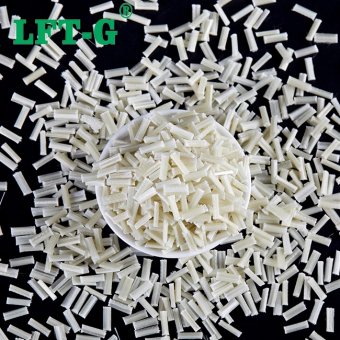
Composite Polyamide 12 haute résistance lgf vierge pour l'automobileNuméro de produit : PA12-NA-LGF Spécification de fibre : 20 %-60 % Caractéristique du produit : Haute résistance, haute ténacité et durabilité Application du produit : Convient à l'automobile, aux pièces de sport, à l'énergie solaire, à l'industrie photovoltaïque et à d'autres secteurs.
- Nylon12 nylon haute performance
- Durabilité pa
- Industrie photovoltaïque
- Pa12 de qualité injection
- Composite service 24h
- Prix fournisseur
Tags :
-
Granulés de résine thermoplastique nylon renforcée de fibres de verre longues en polyamide 6,6Points de fusion élevés, Résistance à l’abrasion, Faible résistance chimique et Forte absorption d’eau
- polyamide 66 PA66 renforcement en fibre de verre
- LFT GF30 au lieu du métal et de l'acier léger
- facile à transformer bon prix
- composites plastiques à haute flexibilité et durabilité
- moulage par injection du châssis automobile
- composés très vendus
Tags :