email
email français
 English
 Deutsch
 русский
 italiano
 español
 português
 العربية
 日本語
日本語 한국의
한국의 中文
中文


-
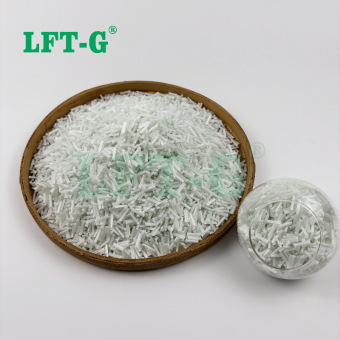
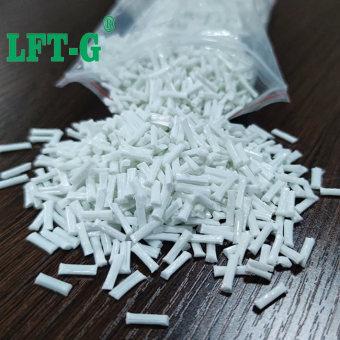
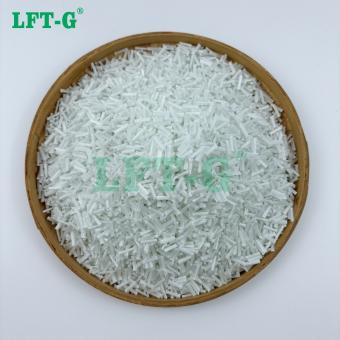
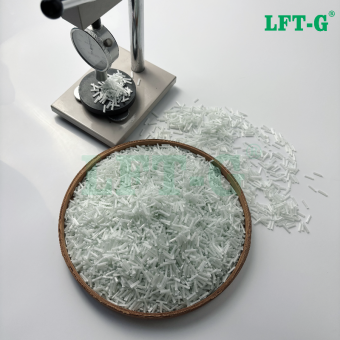
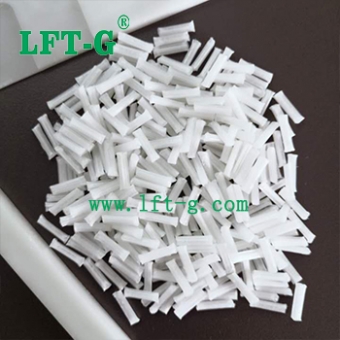
Granulés PP Fibre de verrepolypropylène Le polypropylène (PP), également connu sous le nom de polypropylène (polypropène), est une polyoléfine ou un polymère saturé. faible densité Thermoplastique présentant une bonne résistance à la chaleur. Le polypropylène (PP) possède également les caractéristiques suivantes : résistance chimique, élasticité, ténacité, résistance à la fatigue et propriétés d’isolation électrique.
- polypropylène (PP)
- polymère de polypropylène
- polypropylène renforcé de fibres de verre
- structure polymère du polypropylène
- homopolymère de polypropylène
- GFRP
Tags :
-
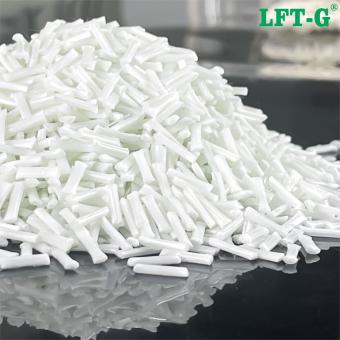
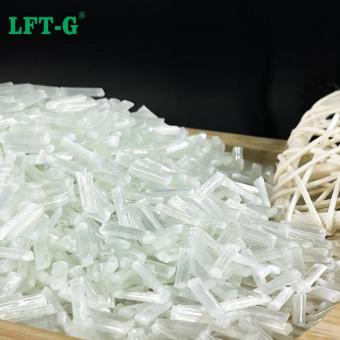
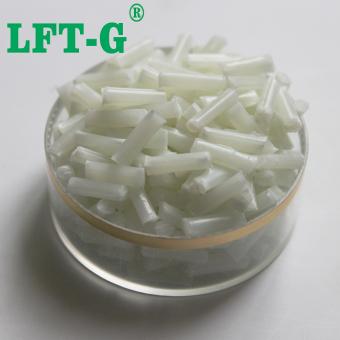
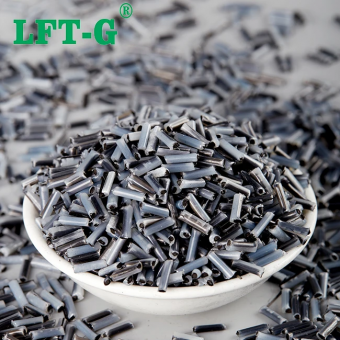
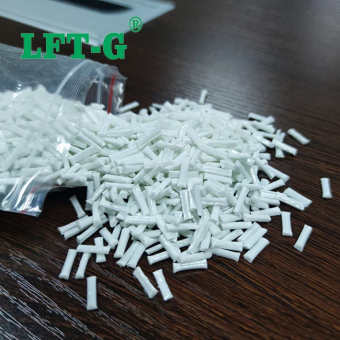
Granulés de PA6 en fibre de verreDans le industrie automobile ry Il est utilisé car il est moins cher et plus léger que le métal. machines Il est préféré à d'autres matériaux en raison de sa grande flexibilité et de sa durabilité.
- nylon 6 pa6
- nylon renforcé de fibres
- fibre de verre renforcée
- composés de nylon
- nylon renforcé de fibres de verre
- plastique renforcé de fibres de verre
Tags :
-
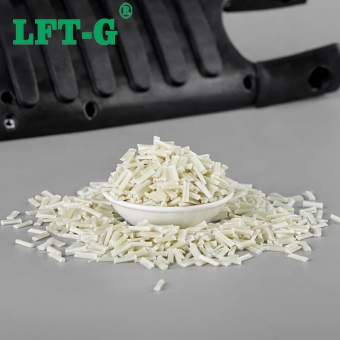
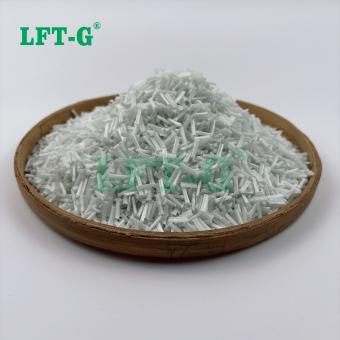
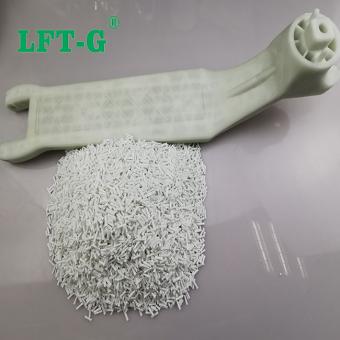
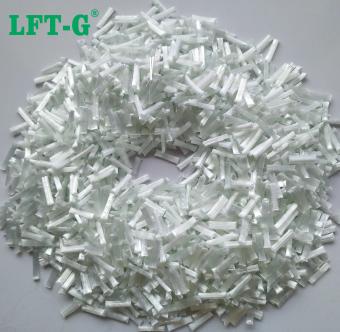
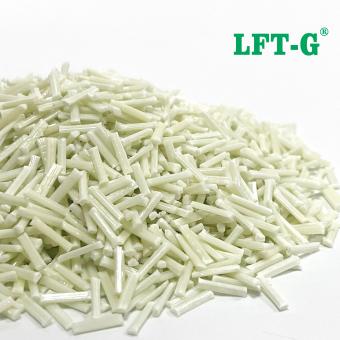
Granulés PA66 Fibre de verreNylon 6,6 Le polyamide 66 (PA 66) est une version plus cristalline du nylon 6. Il possède propriétés mécaniques améliorées Grâce à sa structure moléculaire plus ordonnée, le nylon 66 est particulièrement adapté à l'usinage. résistance thermique améliorée et taux d'absorption d'eau plus faibles par rapport au nylon 6 standard.
- nylon 66 pa66
Tags :
-
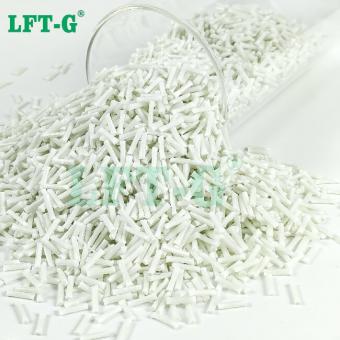
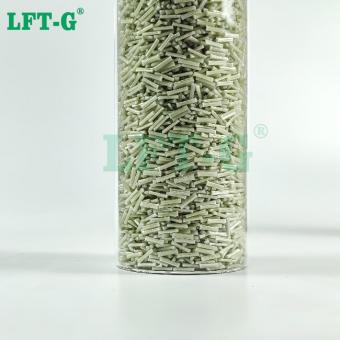
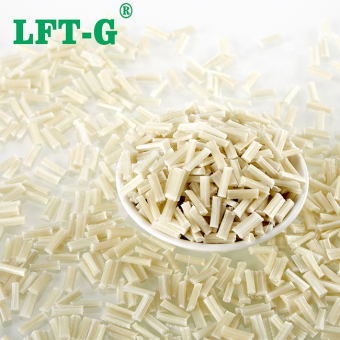
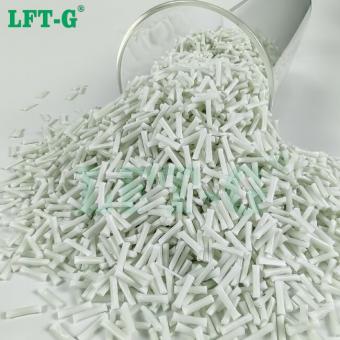
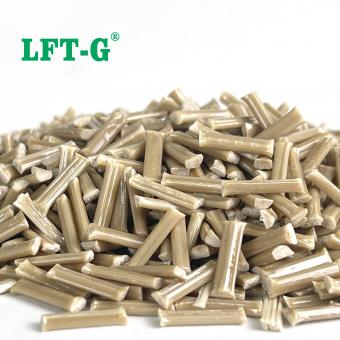
Granulés PA12 en fibre de verrePa12 gf20 Le nylon 12 est un type de plastique technique composé de polyamide 12 (PA12) renforcé par 20 % de fibres de verre. C'est un matériau haute performance qui présente de nombreux avantages par rapport au nylon 12 pur, tels que : une résistance, une rigidité, une résistance thermique, une résistance chimique et des propriétés électriques supérieures Le PA12 GF20 est largement utilisé dans diverses applications et dans différents secteurs industriels, tels que : automobile, aérospatiale, médical, électrique et industriel .
- nylon 12 pa12
Tags :
-
Granulés PBT Fibre de verrePBT GF30 est un matériau composite thermoplastique haute performance qui offre des propriétés exceptionnelles résistance mécanique et résistance à la chaleur Ce matériau composite est créé par renforcement téréphtalate de polybutylène (PBT) résine avec 30 % de fibres de verre Le PBT GF30 trouve des applications dans diverses industries grâce à ses propriétés et avantages uniques.
- résine de téréphtalate de polybutylène
- polymères renforcés de fibres de verre
- composites polymères renforcés de fibres de verre
- fibre pbt
Tags :
-
Granulés de TPU Fibre de verreTPU Le nom complet du TPU est polyuréthane thermoplastique. Il s'agit d'une gamme de plastiques thermoplastiques obtenus par fusion. Le TPU se distingue par ses propriétés à la fois élastomères et plastiques, telles que sa flexibilité, sa robustesse et sa bonne résistance à la traction. Ses applications typiques incluent l'automobile, la fabrication de câbles et certains équipements sportifs.
- thermoplastique renforcé de fibres
- polyuréthane thermoplastique TPU
- polyuréthane thermoplastique TPU
- renforcé de fibres de verre
- fibre de verre renforcée
- composites renforcés de fibres de verre
Tags :
-
Granulés ABS Fibre de verreABS Le moulage par injection désigne le procédé d'injection de plastique ABS fondu dans un moule à haute pression et température. L'ABS est un plastique très répandu, utilisé dans de nombreux domaines, et ses applications sont nombreuses. industries automobile, des produits de consommation et de la construction pour n'en citer que quelques-uns.
- armature en polymère renforcé de fibres de verre
- panneau en béton renforcé de fibres de verre
- plastique ABS
- granulés de résine ABS
- plastique technique
Tags :
-
Polymère de fibres de verre PPA résistant aux hautes températures et aux applications multiplesPolyphthalamide (PPA) est un polyamide semi-cristallin et aromatique. Il se trouve dans le polyamide, ou nylon , famille. Comparé au Nylon 6/6, il est plus résistant, plus rigide, moins sensible à l'humidité et doté de capacités thermiques supérieures De plus, elle présente une résistance significative à fatigue chimique et fluage mécanique .
- Plastique PPA renforcé
- matériau de moulage par injection PPA
- Composants électroniques thermoplastiques
- fibre de verre ppa
- fibre de verre contre fibre de carbone
- polymère aérospatial
Tags :
-
Granulés de plastique renforcé de polypropylène chargés de fibres de verre longuesGrade: General grade, Heat-resistant grade, UV-resistant grade, Toughen resistant grade Fiber specification: 20%-70%
- PP modifié de qualité générale GF30
- Polymères PP longs de qualité résistante à la chaleur
- PP LFT de qualité résistante aux UV pour appareils électroménagers
- PP renforcé de fibres de verre
- Composés PP de qualité injection au lieu de métal
- Large gamme d'applications résine thermoplastique PP
Tags :
-
Matériau de remplissage HPP de qualité générale, fibre de verre longue (LGF), polypropylène modifié, renforcé de plastiquepolypropylène , also known as PP , is a polyolefin or saturated polymer . It is a low-density thermoplastic with good resistance to heat. Other characteristics of PP include: chemical resistance, elasticity, toughness, fatigue resistance, and electrical insulation capability.
- PP GF30
- solutions de remplacement du métal
- matériaux lft
- PP chargé de fibres de verre
- moulage par injection de PP
- granulés pp
Tags :
-
LFT-G PA6 Polyamide 6 nylon 6 chargé de fibres de verre longues 40 couleur d'origine pour pièces automobilesNylon renforcé de fibres de verre longues PA6 et PA6-LGF PA6, also known as Nylon 6, is a high-performance polyamide widely used in engineering plastics, fibers, and films. It is a thermoplastic polymer with repeating amide groups (-NH-CO-) in the main chain, offering strong mechanical properties and versatile processing capabilities. What is PA6 Plastic? PA6 is an aliphatic polyamide that provides excellent strength, wear resistance, and chemical resistance to weak acids, alkalis, and certain organic solvents. Its lightweight and processable nature make it widely applied in fibers, engineering plastics, and thin films. However, the polar amide groups in PA6 easily form hydrogen bonds with water molecules, which can result in high moisture absorption, dimensional changes, and reduced impact strength in dry or low-temperature conditions. Advantages of PA6 High mechanical strength and toughness with excellent tensile and compressive properties Outstanding fatigue resistance, maintaining strength after repeated bending High softening point, heat resistant Low friction and wear-resistant surface Corrosion resistance to alkalis, salts, weak acids, oils, and most solvents Self-extinguishing, non-toxic, odorless, and good weather and biological resistance Excellent electrical insulation even in high humidity environments Lightweight, easy to dye, and easy to mold due to low melting viscosity Limitations of PA6 High moisture absorption (up to 3% when saturated) Poor light and thermal stability; prolonged high-temperature exposure may cause discoloration and surface cracking Strict injection molding requirements; trace moisture can affect product quality Dimensional stability is sensitive to thermal expansion and wall thickness variations Not resistant to strong acids or oxidizing agents; unsuitable for acid-resistant applications Why Reinforce PA6 with Long Glass Fiber? To overcome the natural limitations of PA6, long glass fiber (LGF) reinforcement is applied. PA6-LGF composites combine the lightweight, chemical, and heat resistance of PA6 with the mechanical strength and dimensional stability of long glass fibers. LGF reinforcement improves tensile, compressive, and flexural strength, reduces shrinkage, enhances fatigue resistance, and provides improved thermal and chemical stability. This makes PA6-LGF ideal for high-performance structural components. Applications of PA6-LGF PA6 reinforced with 30% long glass fiber (30% LGF) is widely used in: Power tool shells and components Engineering machinery parts Automobile structural and functional components The composite improves mechanical strength, dimensional stability, heat resistance, aging resistance, and fatigue resistance. Its fatigue strength can be up to 2.5x that of unreinforced PA6. Processing and Forming Tips for 30% PA6-LGF Shrinkage is reduced to ~0.3% compared with 1–1.5% for pure PA6. Excessive fiber content may cause surface floating fibers and poor compatibility. 30% LGF is recommended for balanced performance. Recycled material content should be kept below 25% to avoid color and mechanical property degradation. Gradual cooling after molding prevents warping due to fiber orientation during injection molding. Mold design, gate position, and temperature control are critical. Customers & Staffs Certificates
- Composite de polyamide 6
- résine thermoplastique lgf
- PA6 à haute résistance aux chocs
- plastique moulé par injection
- remplissage PA6 en fibres de verre longues
- plastique renforcé
Tags :
-
LFT-G modifié nylon66 PA66 rempli de composés de fibres de verre longues pour appareils électroniquesNylon renforcé de fibres de verre longues PA66-LGF PA66, or Nylon 66, is a high-performance polyamide widely used in engineering plastics. It offers excellent mechanical properties including tensile strength, flexural strength, and impact resistance, along with superior thermal and chemical stability. With lightweight, high wear resistance, good electrical insulation, and self-extinguishing properties, PA66 is ideal for automotive, electrical, industrial equipment, and construction applications. Why Reinforce PA66 with Long Glass Fiber? While PA66 is versatile, it has limitations: high water absorption, low compressive strength when wet, poor alkali resistance, and potential deformation at ultra-low temperatures. Long glass fiber (LGF) reinforcement addresses these challenges. Adding LGF significantly improves impact resistance, thermal deformation resistance, mechanical performance, molding processability, and chemical resistance. LGF acts as a robust internal skeleton, enhancing the durability and reliability of PA66 components. PA66-LGF Technical Datasheet *The datasheet is tested by Xiamen LFT and provided for reference only.* Applications of PA66-LGF PA66 reinforced with 30% long glass fiber is ideal for high-performance applications such as: Automotive components and structural parts Power tool housings and mechanical parts Industrial equipment components For specialized applications, please consult our technical team. PA66-LGF Product Details Number Color Length Sample MOQ Port of Loading Delivery Time Payment Terms PA66-NA-LGF30 Original color (customizable) 12mm (customizable) Available 25kg Xiamen Port 7-15 days after shipment Discussed Xiamen LFT Composite Plastic Co., Ltd Xiamen LFT Composite Plastic Co., Ltd. is a leading manufacturer specializing in long fiber reinforced thermoplastics (LFT & LFRT), including Long Glass Fiber (LGF) and Long Carbon Fiber (LCF) series. Our thermoplastic LFT can be applied in LFT-G injection molding, extrusion molding, and LFT-D molding. We provide products according to customer requirements with fiber lengths from 5 to 25mm. Our continuous infiltration reinforced thermoplastics have passed ISO9001 & 16949 certifications and hold numerous national patents and trademarks. Our Services Technical parameters and leading-edge design of LFT & LFRT materials Mold front design recommendations Technical support for injection molding and extrusion molding processes
- Appareil électronique à faible déformation
- granulés PA66 autonomes
- Granulés PA66 renforcés à haute résistance et haute ténacité
- Granulés de fibres de verre longues PA66 LGF30 de qualité supérieure
- PA66 6 vis doubles granulés lgf
- Application des granulés PA66 à fibres longues
Tags :