nouveau blog
En avril 2026, à Beijing E-Town, le robot humanoïde « Lightning » de Honor a bouclé le semi-marathon des robots humanoïdes en seulement 50 minutes et 26 secondes, raflant les six premières places. Pourtant, après la course, ce qui a le plus impressionné les ingénieurs n'était ni l'algorithme d'IA ni le système de contrôle des mouvements, mais un détail subtil passé inaperçu : après avoir parcouru 21 kilomètres, l'enveloppe extérieure du robot restait froide au toucher, tandis que l'élévation de température à l'intérieur de ses modules articulaires demeurait largement inférieure aux limites de conception.
Derrière ces performances se cache une révolution des matériaux discrète mais profonde. Des métaux et plastiques techniques aux matériaux composites avancés, chaque composant d'un robot humanoïde témoigne d'un équilibre d'ingénierie précis entre résistance, résistance aux chocs, durée de vie en fatigue, gestion thermique, blindage électromagnétique et réduction du poids.
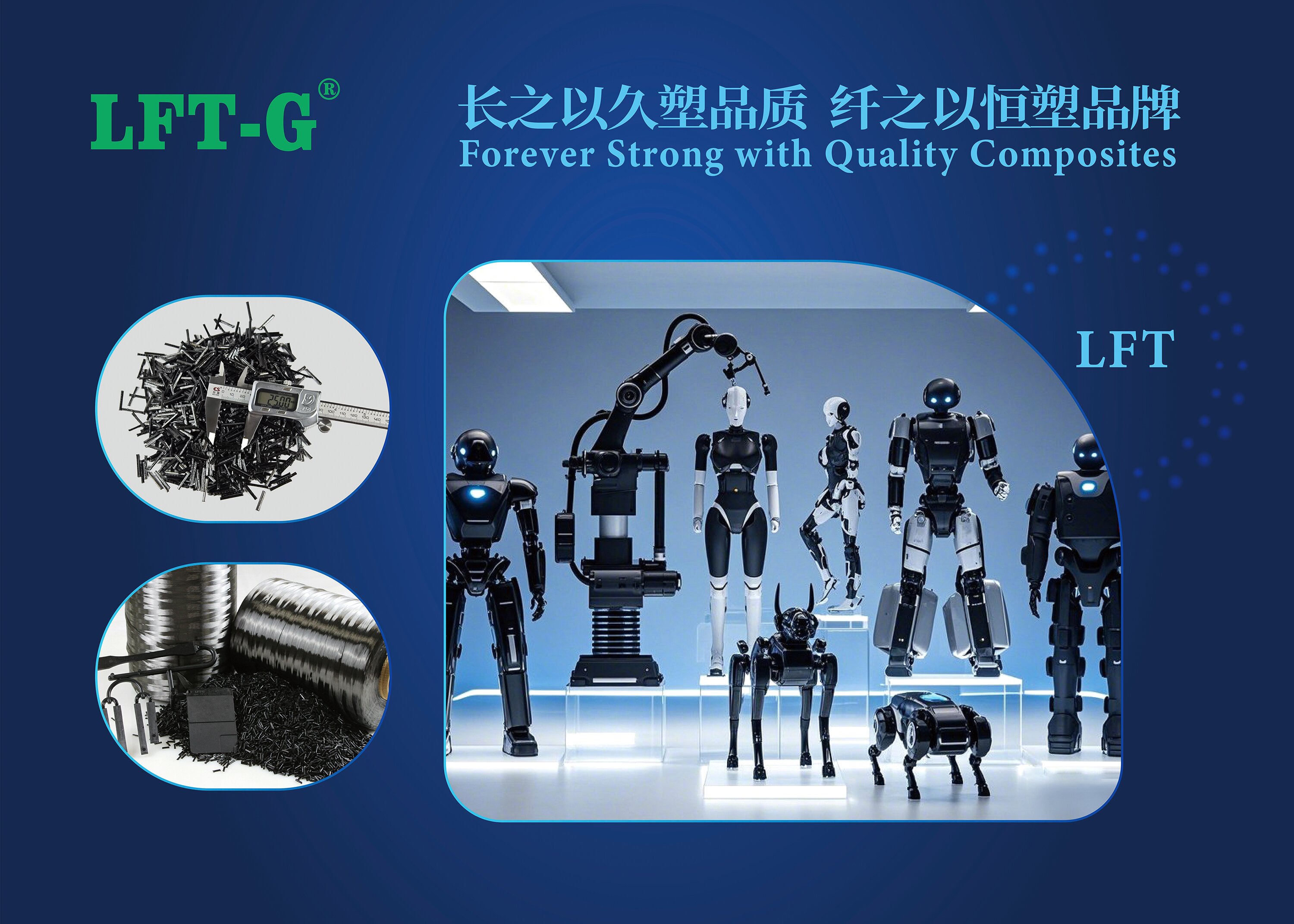
Le choix des matériaux en robotique ne repose plus uniquement sur l'intuition. Les robots humanoïdes modernes exigent une approche d'ingénierie systématique, prenant en compte simultanément les objectifs de performance, les conditions de fonctionnement, les contraintes de fabrication et la fiabilité à long terme.
Des structures de jambes résistantes aux chocs et des systèmes de transmission de précision aux coques extérieures légères et aux couches de protection flexibles, chaque matériau remplit une fonction spécifique au sein de l'architecture du robot.
La véritable question en matière de choix des matériaux n'est pas « Quel matériau est le meilleur ? » mais plutôt « Quel matériau offre les meilleures performances dans ces conditions de fonctionnement spécifiques ? »
Chez les robots humanoïdes, le système matériel est généralement divisé en trois couches fonctionnelles principales :
De plus en plus, les ingénieurs combinent plusieurs matériaux au sein d'une même plateforme robotique :
Associée à l'optimisation topologique et à la simulation structurelle, l'objectif est simple : réduire la masse inutile tout en maintenant la résistance, la durabilité et l'efficacité du mouvement.
La structure des jambes est l'un des aspects les plus exigeants de la conception des robots humanoïdes. Elle doit résister aux impacts répétés lors de l'atterrissage tout en restant suffisamment légère pour permettre des déplacements à grande vitesse.
Un poids réduit améliore directement la mobilité. Sur de nombreuses plateformes humanoïdes, une réduction du poids total du système de 10 kg peut augmenter considérablement la vitesse de marche tout en diminuant la consommation d'énergie.
Les alliages d'aluminium restent le matériau structurel dominant dans les robots humanoïdes en raison de leur équilibre entre résistance, usinabilité, résistance à la corrosion et conductivité thermique.
Parmi ces alliages, l'alliage d'aluminium 7075-T6 est largement utilisé dans les applications à fortes contraintes grâce à son excellente résistance spécifique et à sa rigidité. Comparé aux alliages traditionnels de la série 6000, le matériau AA7075-T6 offre une résistance à la traction nettement supérieure tout en réduisant le poids total de la structure.
Dans les applications pratiques :
Les alliages de magnésium suscitent un intérêt croissant en raison de leur légèreté nettement supérieure à celle de l'aluminium. Leur densité extrêmement faible les rend idéaux pour les stratégies d'allègement poussées des systèmes de mouvement robotiques.
Les progrès réalisés dans les technologies de traitement de surface, telles que l'oxydation micro-arc, contribuent également à résoudre les problèmes de corrosion de longue date liés aux matériaux en magnésium.
Dans les articulations portantes critiques telles que les hanches et les genoux, les alliages de titane offrent un équilibre exceptionnel entre résistance, résistance à la fatigue et réduction du poids.
À mesure que les technologies de fabrication additive continuent de gagner en maturité, les composants en titane deviennent de plus en plus pratiques pour les structures robotiques complexes.
Les composites renforcés de fibres de carbone (CFRP) sont désormais largement utilisés dans les robots humanoïdes haute performance en raison de leur rapport rigidité/poids exceptionnel.
Les principales plateformes de robots humanoïdes ont déjà adopté des matériaux en fibre de carbone pour les coques, les cadres et les zones de renforcement structurel afin d'améliorer l'agilité tout en réduisant le poids total.
Les articulations constituent le cœur du mouvement des robots humanoïdes. Leurs matériaux influent directement sur la précision du positionnement, le bruit de fonctionnement, l'efficacité et la durabilité à long terme.
Les aciers alliés à haute résistance contenant du chrome et du molybdène sont couramment utilisés dans les systèmes d'engrenages robotisés pour améliorer la résistance à l'usure et la résistance à la fatigue.
Des procédés de traitement thermique spécialisés sont souvent appliqués pour maintenir à la fois la dureté de surface et la ténacité interne, réduisant ainsi la déformation et l'usure à long terme.
Les roulements en céramique de pointe gagnent également en popularité grâce à leurs propriétés :
Le PEEK est l'un des plastiques techniques légers les plus importants utilisés aujourd'hui dans les robots humanoïdes.
Malgré sa faible densité, le PEEK conserve une excellente résistance mécanique, une stabilité dimensionnelle et une résistance à l'usure remarquables, ce qui le rend parfaitement adapté aux composants structurels mobiles et aux systèmes de transmission de précision.
Les matériaux en polyuréthane thermoplastique (TPU) sont de plus en plus utilisés dans les domaines impliquant une interaction humaine car ils offrent à la fois flexibilité et protection contre les chocs.
Leur excellente résistance à l'abrasion, leur élasticité et leur stabilité thermique les rendent idéaux pour :
Les matériaux PC/ABS sont largement utilisés pour les coques extérieures des robots humanoïdes car ils offrent un bon équilibre entre qualité d'apparence, robustesse, stabilité dimensionnelle et facilité de fabrication.
Les systèmes de peau électronique flexibles servent de couche sensorielle aux robots humanoïdes, permettant une interaction homme-machine plus sûre et plus réactive.
Ces systèmes utilisent généralement des substrats polymères flexibles tels que le TPU et le polyimide pour obtenir un comportement de surface doux et semblable à celui de l'homme.
Bien que de petite taille, les fixations jouent un rôle essentiel dans la fiabilité globale du robot.
Les fixations en alliage de titane, telles que le Ti-6Al-4V, sont de plus en plus utilisées dans les robots humanoïdes haut de gamme car elles combinent :
Des traitements de surface sont souvent appliqués pour réduire le frottement et améliorer la fiabilité des assemblages à long terme.
Les robots humanoïdes modernes adoptent de plus en plus des architectures multi-matériaux qui combinent métaux, composites et plastiques techniques au sein d'une même plateforme.
Les stratégies de conception typiques comprennent désormais :
Cette approche intégrée des matériaux permet d'optimiser l'équilibre entre performance, poids, durabilité, facilité de fabrication et coût.
Lorsque « Lightning » a franchi la ligne d'arrivée en 50 minutes et 26 secondes, sa performance était due à bien plus que de simples logiciels et algorithmes de mouvement.
Derrière chaque mouvement se cachaient des structures en aluminium soigneusement sélectionnées, des engrenages traités thermiquement avec précision, des matériaux composites légers et des polymères protecteurs validés à maintes reprises.
L’objectif ultime du génie des matériaux n’est pas de trouver un seul « matériau parfait », mais de construire un système prévisible, vérifiable, durable et adaptable aux conditions réelles d’utilisation.
Voilà le véritable fondement de la robotique de nouvelle génération — et le chemin qui mène des prototypes expérimentaux à la production industrielle à grande échelle.
Suivez nous :


-- obtenir des mises à jour avec les derniers sujets

 email
email français
 English
 Deutsch
 русский
 italiano
 español
 português
 العربية
 日本語
日本語 한국의
한국의 中文
中文