email
email français
 English
 Deutsch
 русский
 italiano
 español
 português
 العربية
 日本語
日本語 한국의
한국의 中文
中文


-
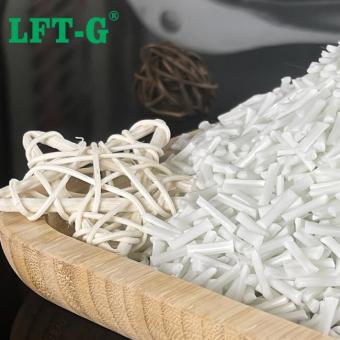
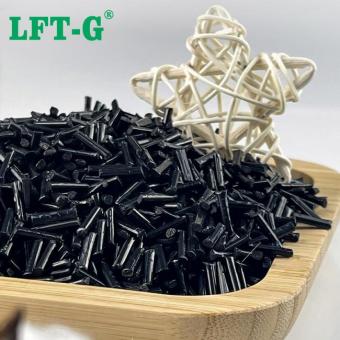
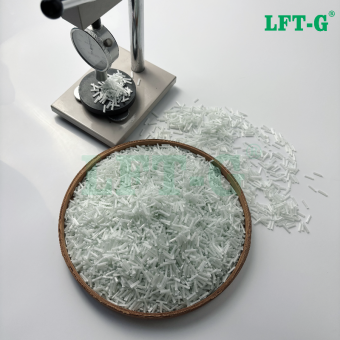
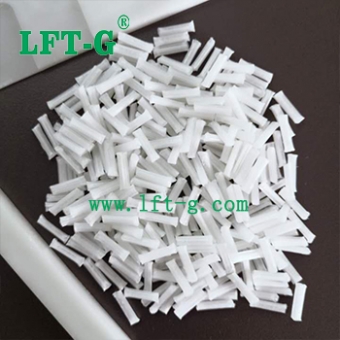
LFT-G Polyamide 6 nylon 6, remplissage en fibre de verre longue, couleur d'origine pour pièces automobilesLes principaux avantages de nylon 6 sont ses rigidité et résistance à l'abrasion De plus, ce matériau a excellente résistance aux chocs , résistance à l'usure , et propriétés d'isolation électrique Le nylon 6 est un très élastique et matériau résistant à la fatigue Cela signifie qu'il reprendra ses proportions initiales après avoir été déformé par une tension. Ce polyamide est non toxique et peut être combiné à des fibres de verre ou de carbone pour améliorer ses performances.
- Propriétés composites du polyamide 6
- Résine thermoplastique LGF à bon prix
- PA6 haute résistance aux chocs au lieu de plastique métallique
- filtre GF30 en plastique moulé par injection
- remplissage PA6 en fibres de verre longues personnalisées
- Composés plastiques légers renforcés
Tags :
-
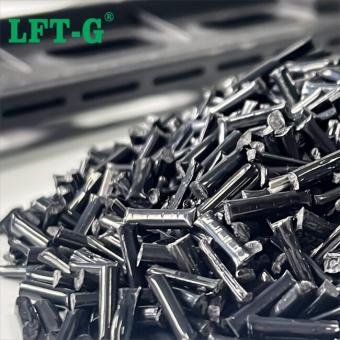
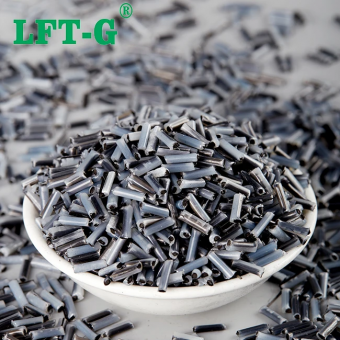
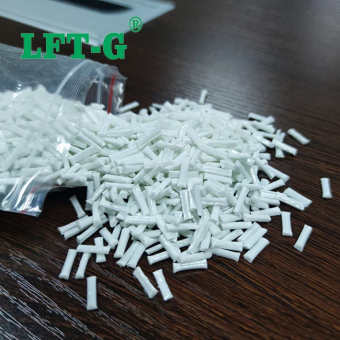
Granulés de nylon renforcés de fibres de carbone PA6Nylon 6 est un matériau approprié pour moulage par injection Les pièces en nylon moulées ainsi obtenues présentent une grande résistance, ainsi qu'une excellente résistance chimique et thermique. Lors du moulage du nylon 6, le matériau est parfois injecté avec une quantité spécifique de fibres de verre ou de carbone (généralement entre 20 % et 60 % ) pour augmenter sa résistance à la traction.
- composé de polissage pour fibres de carbone
- granulés de carbone
- polyamide nylon 6
- polyamide 6 densité
- nylon 6 polyamide
- granulés de charbon actif
Tags :
-
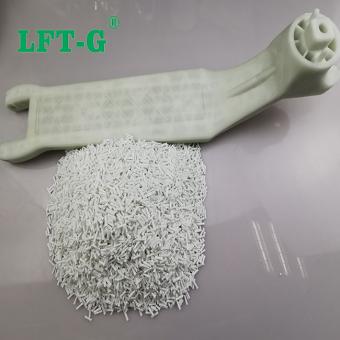
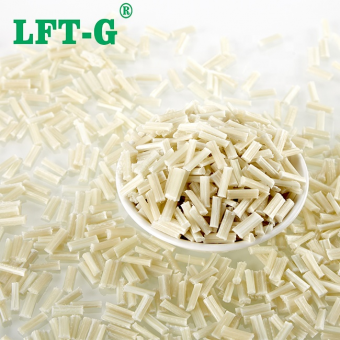
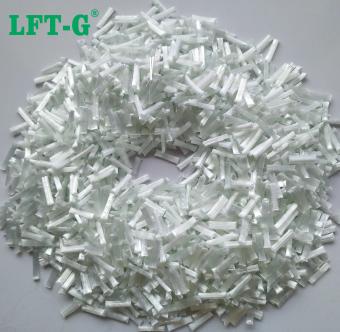
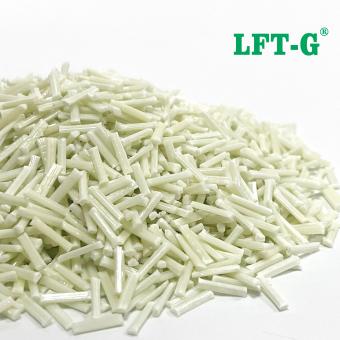
LFT-G PA6 Polyamide 6 nylon 6 chargé de fibres de verre longues 40 couleur d'origine pour pièces automobilesNylon renforcé de fibres de verre longues PA6 et PA6-LGF PA6, also known as Nylon 6, is a high-performance polyamide widely used in engineering plastics, fibers, and films. It is a thermoplastic polymer with repeating amide groups (-NH-CO-) in the main chain, offering strong mechanical properties and versatile processing capabilities. What is PA6 Plastic? PA6 is an aliphatic polyamide that provides excellent strength, wear resistance, and chemical resistance to weak acids, alkalis, and certain organic solvents. Its lightweight and processable nature make it widely applied in fibers, engineering plastics, and thin films. However, the polar amide groups in PA6 easily form hydrogen bonds with water molecules, which can result in high moisture absorption, dimensional changes, and reduced impact strength in dry or low-temperature conditions. Advantages of PA6 High mechanical strength and toughness with excellent tensile and compressive properties Outstanding fatigue resistance, maintaining strength after repeated bending High softening point, heat resistant Low friction and wear-resistant surface Corrosion resistance to alkalis, salts, weak acids, oils, and most solvents Self-extinguishing, non-toxic, odorless, and good weather and biological resistance Excellent electrical insulation even in high humidity environments Lightweight, easy to dye, and easy to mold due to low melting viscosity Limitations of PA6 High moisture absorption (up to 3% when saturated) Poor light and thermal stability; prolonged high-temperature exposure may cause discoloration and surface cracking Strict injection molding requirements; trace moisture can affect product quality Dimensional stability is sensitive to thermal expansion and wall thickness variations Not resistant to strong acids or oxidizing agents; unsuitable for acid-resistant applications Why Reinforce PA6 with Long Glass Fiber? To overcome the natural limitations of PA6, long glass fiber (LGF) reinforcement is applied. PA6-LGF composites combine the lightweight, chemical, and heat resistance of PA6 with the mechanical strength and dimensional stability of long glass fibers. LGF reinforcement improves tensile, compressive, and flexural strength, reduces shrinkage, enhances fatigue resistance, and provides improved thermal and chemical stability. This makes PA6-LGF ideal for high-performance structural components. Applications of PA6-LGF PA6 reinforced with 30% long glass fiber (30% LGF) is widely used in: Power tool shells and components Engineering machinery parts Automobile structural and functional components The composite improves mechanical strength, dimensional stability, heat resistance, aging resistance, and fatigue resistance. Its fatigue strength can be up to 2.5x that of unreinforced PA6. Processing and Forming Tips for 30% PA6-LGF Shrinkage is reduced to ~0.3% compared with 1–1.5% for pure PA6. Excessive fiber content may cause surface floating fibers and poor compatibility. 30% LGF is recommended for balanced performance. Recycled material content should be kept below 25% to avoid color and mechanical property degradation. Gradual cooling after molding prevents warping due to fiber orientation during injection molding. Mold design, gate position, and temperature control are critical. Customers & Staffs Certificates
- Composite de polyamide 6
- résine thermoplastique lgf
- PA6 à haute résistance aux chocs
- plastique moulé par injection
- remplissage PA6 en fibres de verre longues
- plastique renforcé
Tags :
-
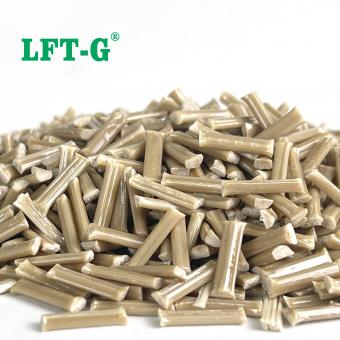
Composés de fibres de carbone longues chargées de résine thermoplastique LFT-G Nylon 6,6Le nylon 66, matériau utilisé pour l'usinage, présente une meilleure résistance à la température et un taux d'absorption d'eau inférieur à celui du nylon 6 standard.
- composites PA66 en fibre de carbone
- matériaux de structure légers
- polyamide 66 haute résistance
- composites en fibre de carbone pour l'automobile
- nylon renforcé de fibres de carbone pour une durabilité accrue
- composites thermoplastiques avancés
Tags :
-
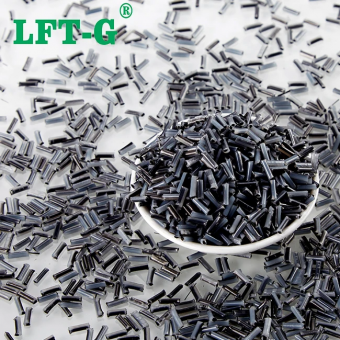
Granulés de nylon 6 en matériaux de carbone avancésLe matériau PA6 renforcé de fibres de carbone longues offre une résistance élevée, une excellente résistance aux chocs et une grande légèreté. stabilité dimensionnelle et résistance à la fatigue exceptionnelles , ce qui le rend idéal pour applications automobiles et industrielles Convient pour remplacement des composants métalliques pour obtenir une réduction de poids et des performances améliorées.
- granulés de nylon
- prix du PA6 par kg
- matières premières plastiques chinoises
- Matériaux CFRP
- Fabricant chinois de fibre de carbone
- plastiques polyamide 6
Tags :
-
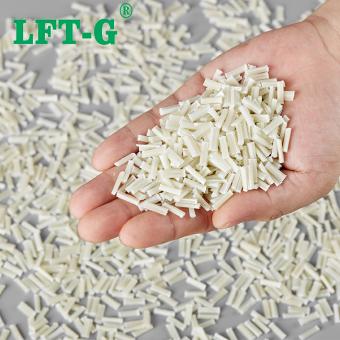
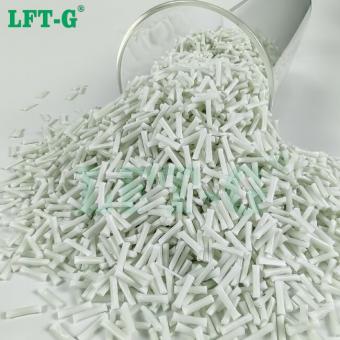
LFT POLYAMIDE 6 Nylon renforcé de fibres de verre longues, couleur d'origine pour pièces automobilesPA6-LGF Les plastiques PA6 modifiés utilisent le PA6 pur comme matrice et améliorent leurs propriétés internes et externes par mélange, chargement, renforcement, copolymérisation, réticulation et autres procédés. Ils représentent environ 15 % des applications du PA6. La teneur en fibres de verre longues varie de 20 % à 60 %, selon les exigences du produit, offrant une résistance élevée, une excellente résistance à la chaleur, une bonne résistance aux chocs et une alternative légère à certains métaux. Parmi les applications courantes, on trouve les boîtiers d'outils électriques, les outils de jardin, les engrenages, les équipements sportifs et les pièces automobiles. Autres spécifications du PA6-LGF PA6 ignifuge : Le PA6 est naturellement inflammable, mais l'ajout de retardateurs de flamme modifie ses propriétés de combustion. Le mélange mécanique permet d'incorporer des retardateurs de flamme à base d'azote, de phosphore, de brome ou de minéraux. Ces matériaux conviennent aux interrupteurs, aux boîtiers électriques basse tension, aux bornes de câblage et aux disjoncteurs. PA6 renforcé : L'incorporation d'agents de renforcement améliore la résistance aux basses températures, la flexibilité et la fluidité, réduit le retrait et l'absorption d'eau, et renforce la résistance aux chocs et au vieillissement. Idéal pour les pièces de poussettes, les courroies de roulement, les clips de fixation et les connecteurs. Applications Au-delà des applications quotidiennes, les plastiques modifiés PA6 sont de plus en plus utilisés dans des domaines de pointe tels que le transport ferroviaire, les dispositifs médicaux, le secteur militaire et l'aérospatiale. Fiche technique de référence Les matériaux renforcés de nylon sont fabriqués à partir de résines PA6/PA66 contenant de 20 à 60 % de fibres de verre pour en accroître la résistance. La teneur en fibres la plus courante est de 30 %, mais on peut utiliser des proportions de 40 à 50 % selon les exigences du produit. Avantages des composés à fibres de verre longues 1. La résistance aux hautes températures s'améliore considérablement après le renforcement par fibres de verre, en particulier pour les plastiques en nylon. 2. Le retrait diminue et la rigidité augmente en raison de la limitation des mouvements de la chaîne polymère. 3. La fissuration sous contrainte est réduite et la résistance aux chocs s'améliore. 4. Les propriétés mécaniques telles que la résistance à la traction, à la compression et à la flexion sont améliorées. 5. La résistance au feu s'améliore ; la plupart des matériaux renforcés deviennent auto-extinguibles. Xiamen LFT Composite Plastic Co., Ltd. Xiamen LFT Composite Plastic Co., Ltd. est spécialisée dans les matériaux thermoplastiques LFT et LFRT, notamment les gammes à fibres de verre longues (LGF) et à fibres de carbone longues (LCF). Les LFT thermoplastiques peuvent être utilisés pour le moulage par injection LFT-G ou LFT-D et sont disponibles en longueurs de 5 à 25 mm. Les thermoplastiques renforcés de fibres continues de l'entreprise sont certifiés ISO 9001 et IATF 16949 et bénéficient de nombreuses marques déposées et brevets nationaux.
- matériaux composites en polyamide 6
- Granulés de résine thermoplastique lgf
- plastique technique de la série PA à haute résistance aux chocs
- plastique haute performance fabriqué en Chine
Tags :
-
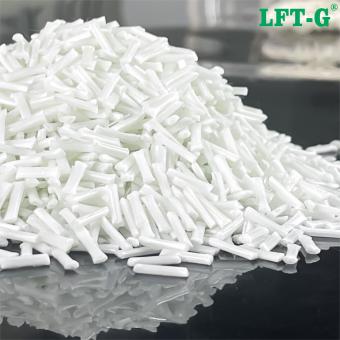
Composés LFT Polyamide 6 avec fibres de verre longues au lieu de métal haute résistanceQu'est-ce que le plastique polyamide 66 ? Le point de fusion du PA66 est de 260 à 265 °C, sa température de transition vitreuse (à l'état sec) est de 50 °C. Sa densité est de 1,13 à 1,16 g/cm3. Le PA66 présente une faible absorption d'eau, une excellente stabilité dimensionnelle et une grande rigidité. Son point de fusion élevé lui permet d'être utilisé durablement dans des environnements difficiles et de maintenir une contrainte suffisante sur une large plage de températures, avec une température d'utilisation continue de 105 °C. composite renforcé de fibres de verre longues Le plastique renforcé de fibres de verre est un matériau composé de plastique pur auquel on ajoute des fibres de verre et d'autres additifs afin d'élargir son champ d'application. Généralement, la plupart des matériaux renforcés de fibres de verre sont utilisés dans les pièces structurelles des produits ; il s'agit d'un matériau de construction, comme le PP, l'ABS, le PA66, le PA6, le TPU, le PPA, le PBT, le PEEK et le PPS. Avantages 1) Après renforcement par fibres de verre, les fibres de verre étant un matériau résistant aux hautes températures, la température de résistance à la chaleur des plastiques renforcés est beaucoup plus élevée qu'auparavant sans fibres de verre, en particulier pour les plastiques en nylon. 2) Après le renforcement par fibres de verre, grâce à l'ajout de fibres de verre, la chaîne polymère plastique est empêchée de se déplacer les unes par rapport aux autres ; par conséquent, le retrait des plastiques renforcés diminue considérablement et la rigidité est grandement améliorée. 3) Après renforcement par fibres de verre, le plastique renforcé ne subira pas de fissures sous contrainte, et en même temps, la résistance aux chocs du plastique s'améliorera considérablement. 4) Après le renforcement par fibres de verre, les fibres de verre sont un matériau à haute résistance, ce qui améliore considérablement la résistance du plastique, notamment : la résistance à la traction, la résistance à la compression, la résistance à la flexion, qui s'améliorent beaucoup. 5) Après renforcement par fibres de verre, en raison de l'ajout de fibres de verre et d'autres additifs, les performances de combustion des plastiques renforcés diminuent considérablement, la plupart des matériaux ne peuvent pas être enflammés, il s'agit d'un type de matériau ignifuge. Fiche technique pour référence Applications Les performances globales du PA66 sont bonnes, avec une résistance élevée, une bonne rigidité, une résistance aux chocs, une résistance aux huiles et aux produits chimiques, une résistance à l'abrasion et des avantages autolubrifiants, notamment en termes de dureté, de rigidité, de résistance à la chaleur et de résistance au fluage. Détails Grade Spécifications de la fibre Caractéristiques principales Applications Niveau général 20 % à 60 % haute ténacité (surtout à basse température) , excellente résistance au fluage et à la fatigue, faible déformation Automobiles, appareils électroniques et électriques, équipements sportifs, outils électriques, pièces de trains à grande vitesse, etc. Renforcer le niveau de résistance 20 % à 50 % haute résistance aux chocs , texture légère Automobiles, appareils électroniques, équipements sportifs, outils électriques, manches d'outils, pièces de trains à grande vitesse, engrenages, etc. Laboratoire et usine À propos de l'entreprise Xiamen LFT Composite Plastic Co., Ltd., fondée en 2009, est un fournisseur mondial de renom de matériaux thermoplastiques renforcés de fibres longues. L'entreprise intègre la recherche et le développement (R&D), la production et la commercialisation de ses produits. Nos produits LFT sont certifiés ISO 9001 et 16949 et bénéficient de nombreuses marques déposées et brevets nationaux. Ils sont utilisés dans les secteurs de l'automobile, de la défense (pièces et armes à feu), de l'aérospatiale, des énergies nouvelles, du matériel médical, de l'énergie éolienne, des équipements sportifs, etc.
- Plastique renforcé de granulés de nylon PA66
- polyamide 6 plastiques techniques lgf
- PA6 LGRF modifié à faible déformation
- polymères PA66 pour pièces automobiles moulés par injection
- Granulés composites de nylon Granulés de polymère
- plastique PA66 renforcé de fibres de verre longues
Tags :
-
LFT POLYAMIDE 6 Nylon renforcé de fibres de verre longues, couleur d'origine pour pièces automobilesQu'est-ce que le PA6 (Nylon 6) ? Le PA6 (polyamide 6), plus communément appelé nylon 6, est un polymère technique thermoplastique semi-cristallin dont la chaîne moléculaire contient des groupements amide (-CONH-). C'est l'un des polymères techniques les plus utilisés au monde. Le PA6 est produit à partir de caprolactame et se décline en différentes qualités, notamment PA6, PA66 et PA610, selon la structure du monomère. Parmi celles-ci, le PA6 et le PA66 sont les plus couramment utilisés dans les applications industrielles. Le PA6 offre une excellente résistance mécanique, une résistance à l'usure et une bonne aptitude à la transformation, ce qui explique son utilisation répandue dans les fibres, les plastiques techniques et les films. Propriétés du PA6 Le PA6 offre une combinaison équilibrée de performances mécaniques et chimiques, notamment : Résistance élevée à la traction et à la compression Excellente robustesse et résistance à la fatigue Bonne résistance à l'usure et à l'abrasion Forte résistance aux huiles, aux carburants et à la plupart des solvants organiques. Bonnes propriétés d'isolation électrique Facile à mettre en œuvre et bonne aptitude au moulage Cependant, le PA6 présente également certaines limitations telles qu'une forte absorption d'humidité, une instabilité dimensionnelle et une performance d'impact réduite à basse température. Limites du PA6 Une forte absorption d'eau affecte la stabilité dimensionnelle Faible résistance aux UV et comportement à l'oxydation thermique à long terme Variation des propriétés en milieu humide Sensibilité du traitement à la teneur en humidité Pourquoi renforcer le PA6 avec de longues fibres de verre ? Pour pallier les limitations du PA6 pur, le renforcement par des fibres de verre longues (FVL) est largement utilisé. Il s'agit d'une méthode de modification physique courante permettant d'améliorer significativement les performances du matériau. L'incorporation de longues fibres de verre dans la matrice PA6 permet d'améliorer considérablement les propriétés suivantes : résistance et rigidité mécaniques Stabilité dimensionnelle résistance à la chaleur Performances en matière de fatigue Capacité de charge Applications du PA6-LGF Le PA6 renforcé à 30 % de fibres de verre longues est largement utilisé dans les composants structurels haute performance, notamment : Outils électriques : boîtiers et éléments structurels Industrie automobile : composants du moteur, supports structurels, pièces intérieures et extérieures Équipements industriels : pièces mécaniques et boîtiers Sa résistance à la fatigue peut atteindre jusqu'à 2,5 fois supérieure à celle du PA6 non renforcé, ce qui le rend idéal pour les applications exigeantes. Directives de traitement (PA6-LGF 30%) L'ajout de 30 % de fibres de verre longues réduit considérablement le retrait à environ 0,3 %, contre 1,0 à 1,5 % pour le PA6 pur. Une teneur en fibres plus élevée entraîne généralement un retrait moindre, mais peut également accroître l'exposition des fibres en surface et complexifier la mise en œuvre. Notes de traitement recommandées : L'utilisation de matériaux recyclés doit être limitée à 25 %. Le matériau doit être correctement séché avant transformation. Un retraitement excessif peut affecter les performances mécaniques et la stabilité des couleurs. La conception du moule doit tenir compte de l'orientation des fibres et de l'équilibre du flux. Le refroidissement ultérieur dans l'eau chaude contribue à réduire la déformation et les contraintes internes. Clients et production CertificationsAfficher plus
-
Matériau lft-g PA66 renforcé de fibres de verre longues (30 %), spécification Polyamide 66 modifié plastiqueQu'est-ce que le PA66 ? Le PA66 (polyamide 66), également connu sous le nom de nylon 66, est un thermoplastique semi-cristallin largement utilisé dans les secteurs automobile, électrique, électronique et industriel. Il offre une excellente résistance mécanique, une bonne résistance à l'usure et une grande stabilité thermique. Qu'est-ce que le PA66-LGF ? Le PA66-LGF (nylon 66 renforcé de fibres de verre longues) est un plastique technique modifié, obtenu par renforcement du PA66 avec de longues fibres de verre. Ce procédé améliore considérablement ses performances mécaniques, sa stabilité dimensionnelle et sa résistance à la chaleur. Comparé au PA66 non chargé, le PA66 renforcé par LGF offre : résistance et rigidité accrues Stabilité dimensionnelle améliorée (faible déformation et faible retrait) Meilleure résistance à la fatigue et au fluage Réduction de l'impact de l'absorption d'eau sur les propriétés Caractéristiques du matériau Résistance et rigidité mécaniques élevées Excellente résistance à la chaleur et à l'usure Bonne résistance chimique (huiles, carburants, graisses) Propriétés à faible friction et autolubrifiantes Performances stables en milieu humide et variable. Applications 1. Industrie automobile Utilisé dans les capots de moteur, les systèmes d'admission, les composants de refroidissement, les pièces intérieures et structurelles telles que les tableaux de bord, les poignées de porte et les supports. 2. Électricité et électronique Utilisé dans les connecteurs, les interrupteurs, les pièces d'isolation, les boîtiers et les composants électriques nécessitant une résistance à la flamme et une stabilité dimensionnelle. 3. Industrie et machines Convient aux engrenages, roulements, fixations, pièces de convoyeurs et composants mécaniques structurels nécessitant une résistance et une durabilité élevées. Spécifications du produit Article Spécification Grade PA66-LGF30 Longueur des fibres 12 mm Couleur Naturel / Personnalisé MOQ 25 kg Conditionnement 25 kg/sac Délai de livraison 7 à 15 jours Port Port de Xiamen FAQ 1. Une teneur plus élevée en fibres de verre est-elle toujours préférable ? Pas nécessairement. La teneur optimale en fibres dépend des exigences de l'application, telles que la résistance, la ténacité et la qualité de surface. 2. Les matériaux LGF peuvent-ils être utilisés pour les pièces d'apparence ? Oui, mais la qualité de surface doit être évaluée en fonction de la conception du produit et des conditions du moule. 3. Comment choisir la longueur du renfort ? Le choix dépend des performances mécaniques requises et des conditions d'application finales. Informations sur le fournisseur Xiamen LFT Composite Plastic Co., Ltd est spécialisée dans les thermoplastiques renforcés de fibres longues (LFT-G / LFT-D), notamment le PP, le PA6, le PA66, le PPA, le PBT, le TPU et d'autres matériaux techniques. Nous proposons des solutions sur mesure pour les secteurs de l'automobile, de l'électronique et de l'industrie.
- Polyamide 66 lgf remplissage lgf
- polyamide 66 à fibres de verre longues
- pa66 lgf30
- thermoplastiques renforcés de fibres longues
- composés à fibres longues pa66
- polyamide 6.6 lgf30
Tags :
-
Nylon 6 chargé de fibres de verre longues, 40 % couleur d'origine pour pièces automobilesTitre Qu'est-ce que le plastique PA6 ? Le polyamide (PA), communément appelé nylon, est un plastique technique thermoplastique contenant des groupes amide (-NHCO-) dans sa chaîne moléculaire. Il se divise en polyamides aliphatiques et aromatiques et figure parmi les plastiques techniques les plus anciens et les plus utilisés. Les matériaux polyamides sont largement utilisés dans les fibres, les plastiques techniques et les films. Selon le nombre d'atomes de carbone dans leur structure moléculaire, on peut produire de nombreux types de polyamides, parmi lesquels : PA6, PA66 et PA610 sont les plus couramment utilisées. Image Introduction à PA6 Introduction au PA6 (Polyamide 6) Le PA6 est un polyamide aliphatique reconnu pour sa légèreté, sa haute résistance mécanique et à l'usure, ainsi que pour son excellente aptitude à la transformation. Il est largement utilisé dans les plastiques techniques, les fibres, les composants automobiles et les applications industrielles. Cependant, les molécules de PA6 contiennent des groupements amides très polaires qui forment facilement des liaisons hydrogène avec les molécules d'eau. De ce fait, le PA6 présente une absorption d'eau relativement élevée, ce qui peut affecter sa stabilité dimensionnelle et sa résistance aux chocs en milieu sec ou à basse température. Avantages Avantages du nylon 6 (PA6) Haute résistance mécanique et excellente ténacité Résistance exceptionnelle à la fatigue sous flexion répétée résistance élevée à la chaleur et point de ramollissement Faible coefficient de frottement et excellente résistance à l'usure Excellente résistance aux huiles, aux alcalis et aux solvants courants. Bonne résistance au vieillissement et aux intempéries Auto-extinguible, non toxique et inodore Excellentes performances d'isolation électrique Léger, facile à transformer et à mouler Inconvénients Inconvénients du nylon 6 (PA6) Taux d'absorption d'eau élevé Faible stabilité dimensionnelle en milieu humide Résistance limitée aux acides forts et aux oxydants Décoloration et oxydation de la surface sous l'effet de températures élevées prolongées Exigences strictes en matière d'humidité pour le moulage par injection Déformations et gauchissements possibles lors du moulage Pourquoi LGF Pourquoi remplir le PA6 avec de longues fibres de verre ? Bien que le PA6 possède d'excellentes propriétés mécaniques et une bonne aptitude à la transformation, sa forte absorption d'eau et son instabilité dimensionnelle limitent son utilisation dans les applications d'ingénierie de haute performance. Pour améliorer les performances globales du PA6, on recourt généralement à un renforcement. L'ajout de fibres de verre longues (FVL) ou de fibres de carbone améliore significativement : résistance mécanique résistance aux chocs Stabilité dimensionnelle résistance à la chaleur résistance à la fatigue Rigidité structurelle Le PA6 renforcé de fibres de verre longues est largement utilisé dans les applications automobiles, industrielles et de génie civil. Image LGF Applications Applications du PA6-LGF Le PA6 renforcé à 30 % de fibres de verre longues (LGF30) est un matériau d'ingénierie idéal pour : boîtiers et composants d'outils électriques pièces structurelles automobiles composants de machines d'ingénierie structures porteuses industrielles pièces d'équipement mécanique et électrique Comparée au PA6 non renforcé, la résistance à la fatigue peut être augmentée jusqu'à 2,5 fois. Image de l'application Traitement Directives de transformation et de mise en forme pour le PA6 + 30 % LGF L'ajout de 30 % de fibres de verre longues peut réduire le retrait du PA6 d'environ 1 à 1,5 % à environ 0,3 %. Il convient d'éviter une utilisation excessive de matériaux recyclés, car cela peut réduire les propriétés mécaniques et provoquer une décoloration. La teneur en matériaux recyclés ne doit généralement pas dépasser 25 % et ceux-ci doivent être parfaitement secs avant d'être traités. L'orientation des fibres lors du moulage par injection peut provoquer des déformations ; une conception appropriée du point d'injection et un contrôle de la température du moule sont recommandés. Un refroidissement lent lors du traitement à l'eau chaude peut contribuer à réduire les contraintes et les déformations internes. Clients Clients et personnel Certificats CertificatsAfficher plus
-
Copolymère de la série PA 6 de composites renforcés par de longues fibres de verreAvec une équipe technique expérimentée dans l'industrie, nous fournissonsdes matériaux composites en Nylon 6 renforcés de fibres de verre longues de haute qualitépour aider les clients à améliorer les performances des produits et à optimiser les coûts de production.
- fibre de verre PA6
- thermoplastique renforcé de fibres de verre longues
- matériau plastique PA6
- polyamide 6 LGF
- fourniture de nylon PA6 teint personnalisé
Tags :