• partager :

  • facebook
  • y
  • t
  • instagram
  • in
Blog
Accueil / Blog
Can Plastic Be Damaged by Water? 5 High-Performance Materials with Excellent Hydrolysis Resistance 2026-11-13

Isn't Plastic Supposed to Be Waterproof?

In everyday life, we are accustomed to seeing plastics come into contact with water, whether in plastic drinking cups, pipes, or various containers.

Interestingly, while some plastics can withstand short-term contact with water without any problems, their mechanical properties may gradually deteriorate when exposed to high temperatures and humidity over extended periods. In some cases, this can even lead to cracking and embrittlement.

Under demanding conditions such as hot water, steam, and repeated heat-and-humidity cycles, certain polymers may undergo a chemical reaction known as hydrolysis.

So, why can water actually damage plastic? Which materials offer better resistance to hydrolysis? And what should modified plastic manufacturers consider when selecting materials for demanding applications?

Today, let's take a closer look at the hydrolysis resistance of plastics and explore five representative high-performance materials.

Can Plastic Really Be Damaged by Water? First, Understand Hydrolysis

When discussing the relationship between plastics and water, it's important to distinguish between two concepts: water absorption and hydrolysis.

Although they may sound similar, they are fundamentally different processes.

Water absorption refers to moisture entering the material, while hydrolysis is a chemical reaction in which water causes certain chemical bonds within the polymer chains to break.



You can think of a polymer molecular chain as a long chain made up of many interconnected links.

Water absorption is like moisture entering the spaces between these chains, potentially changing the material's dimensions and some of its physical properties.

Hydrolysis, however, is different. It is more like water participating in a chemical reaction that gradually breaks certain bonds along the polymer chain.

When polymer chains break down due to hydrolysis and their molecular weight decreases, the material's mechanical properties may be affected.

It is important to note that not all plastics undergo significant hydrolysis when exposed to water.

A polymer's susceptibility to hydrolysis is closely related to its chemical structure. For example, polymers containing hydrolyzable groups such as ester and amide bonds may be at risk of hydrolysis under certain temperature, humidity, and chemical conditions.

Temperature is another important factor. In general, higher temperatures can accelerate chemical reactions. This means that some materials may remain stable in water at room temperature but may not withstand prolonged exposure to hot water or steam.

This is why, in applications such as automotive cooling systems, pump and valve components, and medical devices, simply considering whether a material is waterproof is not enough.

The real question is: How much of its original performance can the material retain after prolonged exposure to hot and humid conditions?

5 Hydrolysis-Resistant Plastics and Their Key Characteristics

Different polymers have different molecular structures, resulting in varying levels of resistance to water and high temperatures.

Our original reference introduces five representative high-performance materials known for their hydrolysis resistance: PPS, PEEK, PBI, PEI, and PSU.

Each material has its own advantages and is suited to different application scenarios.

1. PPS: A Strong Performer in Hot Water and Chemical Resistance

First up is PPS (Polyphenylene Sulfide).

As a specialty engineering plastic, PPS offers good heat resistance, chemical resistance, and dimensional stability. It is widely used in automotive, electrical and electronics, and industrial equipment applications.

One of its key advantages is its ability to withstand many chemical media and hot-water environments.

This makes PPS suitable for certain applications such as pump and valve components, seals, bearings, bushings, and electrical parts.

For example, in industrial equipment that comes into contact with liquids, materials must withstand not only temperature and pressure but also maintain dimensional and mechanical stability over time.

In such cases, the overall performance of PPS offers certain advantages.

Compared with higher-cost specialty engineering plastics such as PEEK, PPS can also offer a cost advantage in some applications.

However, PPS cannot replace PEEK in every situation. The two materials differ in toughness, processing characteristics, and long-term service temperature. The final choice should always be based on actual operating conditions.
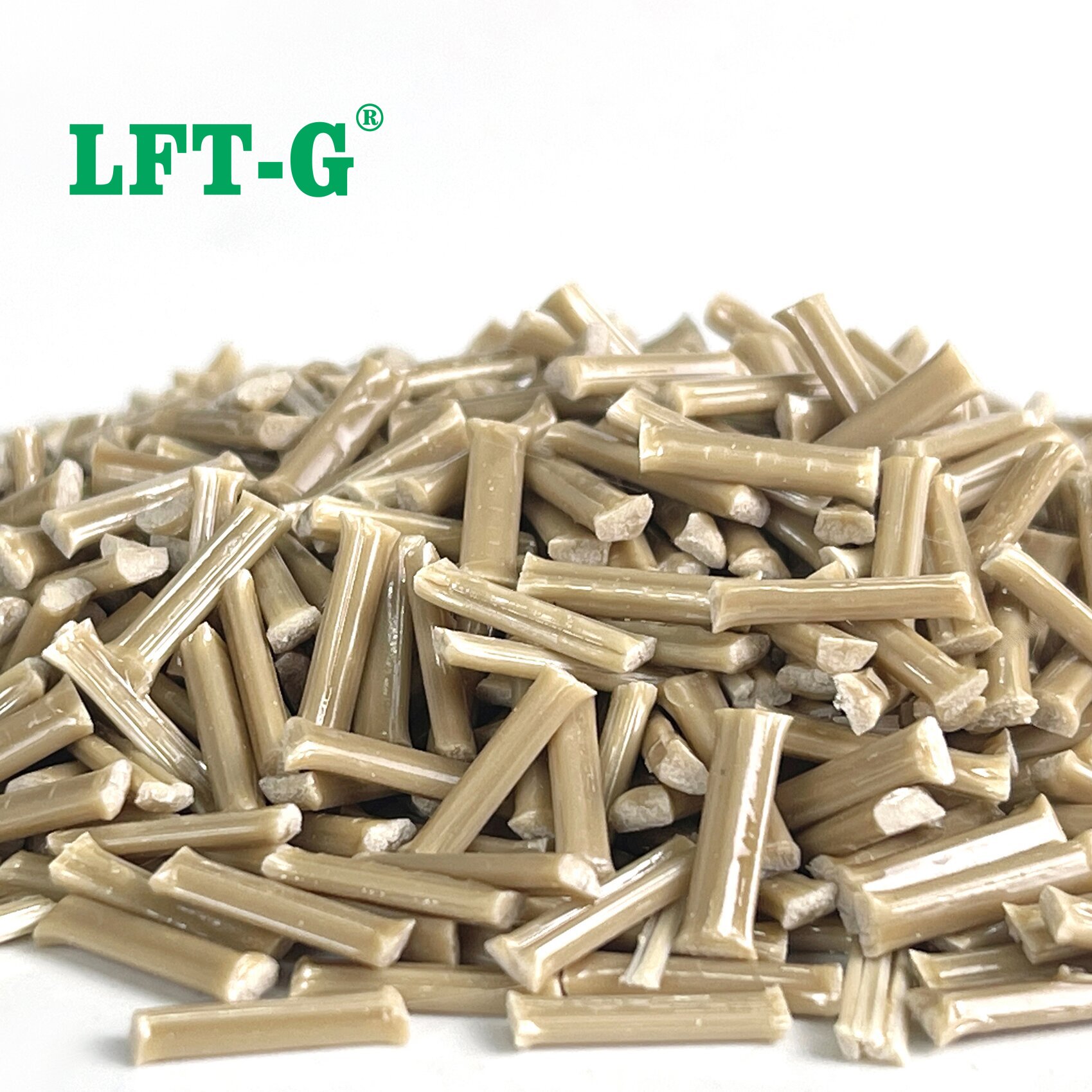


PPS Long Glass Fiber Reinforced

2. PEEK: A Versatile Material for High Temperatures and Demanding Environments

When it comes to high-performance engineering plastics, PEEK (Polyether Ether Ketone) is certainly one of the most well-known materials.

PEEK offers excellent heat resistance, mechanical strength, fatigue resistance, wear resistance, and chemical resistance.

It also demonstrates good hydrolysis resistance under appropriate conditions.

These properties make PEEK valuable in applications such as medical devices, automotive transmission components, aerospace, and high-performance industrial parts.

For example, PEEK can be a suitable candidate for components exposed to hot water, steam, or repeated cleaning and sterilization cycles.

Of course, PEEK also has its limitations.

First, it comes with a relatively high material cost. Second, its processing requirements are comparatively demanding. In addition, despite its excellent overall performance, exposure to certain strong acids, UV radiation, and other harsh environments may still affect its properties.

Therefore, choosing PEEK does not automatically solve every durability challenge. Its strength lies in its overall performance rather than absolute resistance to every environment.


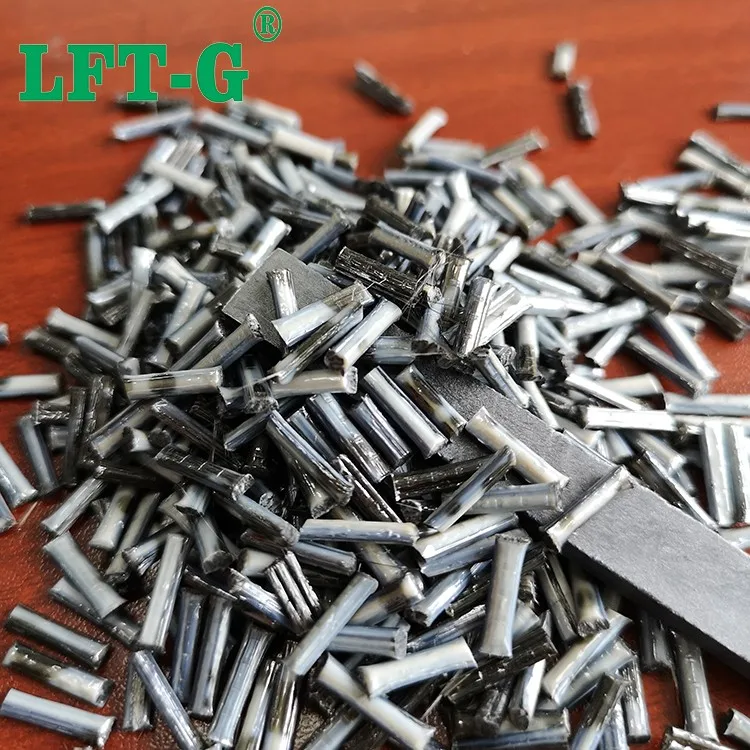
PEEK Long Carbon Fiber Reinforced

3. PBI: A Premium Choice for High-Temperature Applications

If PEEK is already considered a high-performance engineering plastic, PBI (Polybenzimidazole) is an even more specialized high-performance polymer.

PBI offers outstanding high-temperature resistance and can retain certain mechanical properties even under extreme thermal conditions.

It also provides good wear resistance and thermal stability.

Our reference material lists PBI among polymers with good hydrolysis resistance and highlights its potential for use in demanding environments.

However, compared with PPS and PEEK, PBI has a relatively limited range of commercial applications.

On the one hand, both the material and its processing costs are high. On the other hand, processing and component design can present additional challenges.

For example, in certain rigid and notch-sensitive materials, sharp internal corners in a component may create stress concentrations, increasing the risk of localized cracking.

Therefore, component design should take rounded transitions and stress distribution into consideration.

It is also worth noting that PBI is used in high-temperature protective fibers. However, the performance requirements for fiber products and engineering plastic components are not necessarily the same, so they should not be treated as interchangeable.

For PBI, hydrolysis resistance is just one of its many performance characteristics. Actual material selection should also take into account long-term hydrothermal test results.

4. PEI: Combining Heat Resistance with Dimensional Stability

Next is PEI (Polyetherimide).

PEI is an amorphous high-performance thermoplastic known for its good heat resistance, stiffness, dimensional stability, and electrical properties.

Unlike some semi-crystalline engineering plastics, PEI has distinct shrinkage characteristics during processing, which can be beneficial for controlling the dimensions of certain precision components.

Hydrolysis resistance is also listed among the key characteristics of PEI in our reference material.

As a result, PEI can be considered for certain applications involving elevated temperatures and humid environments.

However, this does not mean that every PEI grade can withstand prolonged exposure to high-temperature steam.

In particular, under repeated hydrothermal cycles or exposure to chemical media, the material's property retention still needs to be evaluated.

In addition, PEI has limited resistance to certain organic solvents. Under specific combinations of mechanical stress and chemical exposure, it may also be susceptible to cracking.

Therefore, PEI selection should not be based solely on its heat resistance. The actual contact media, mechanical loads, and long-term component reliability must also be considered.

5. PSU: An Important Choice for Hot Water and Steam Applications

The final material is PSU (Polysulfone).

Compared with the other materials discussed above, PSU is particularly notable for its applications in hot-water and steam environments.

PSU offers good heat resistance, dimensional stability, and a degree of transparency. Certain grades can also withstand repeated steam sterilization cycles.

This makes it useful in medical devices, laboratory equipment, and certain components used in equipment requiring hot-water cleaning.

For example, some instrument trays, containers, and equipment components may undergo repeated high-temperature steam treatment.

In these situations, materials must not only withstand heat but also maintain their original shape and performance as much as possible.

The overall properties of PSU make it a potential candidate for these applications.

However, PSU also has its limitations. It can be sensitive to certain organic solvents, and stress cracking should be considered during processing and service.

Furthermore, the actual number of sterilization cycles a component can withstand depends on the material grade, sterilization conditions, and product test results.

How to Choose Among These 5 Materials?

After looking at these five materials, you might ask:

Since all five offer good hydrolysis resistance, why not simply choose the one with the best overall performance?

In reality, there is no universal ranking of hydrolysis-resistant plastics that applies to every operating condition.

Different products face very different environments.

Some components are continuously exposed to hot water, others undergo repeated steam sterilization, while some must withstand mechanical loads and chemical exposure simultaneously.

Therefore, a good starting point is to compare the overall characteristics of each material.


Materials Key Characteristics
Selection Considerations
PPS Good heat resistance, chemical resistance, and dimensional stability
Toughness, specific chemical media, and long-term service conditions
PEEK Excellent overall mechanical properties at high temperatures
Material cost, processing requirements, and actual hydrothermal validation
PBI Outstanding high-temperature resistance
Cost, processing challenges, and resistance under specific chemical conditions
PEI A good balance of heat resistance, stiffness, and dimensional stability
Hydrothermal cycling and solvent sensitivity
PSU Good performance in hot-water and steam applications
Stress cracking and sterilization conditions

Note: The material characteristics above are summarized based on the original reference materials and do not represent a hydrolysis resistance ranking established under standardized testing conditions.


bulletin

-- obtenir des mises à jour avec les derniers sujets

Droit d\'auteur © 2015-2026 Xiamen LFT composite plastic Co.,ltd..Tous droits réservés.

Accueil

Produits

 nouvelles

contact