nouveau blog
Une petite bosse à la surface peut dissimuler de graves dommages internes. Après des chocs répétés causés par les vagues, combien de temps un stratifié composite marin peut-il continuer à fonctionner en toute sécurité ?
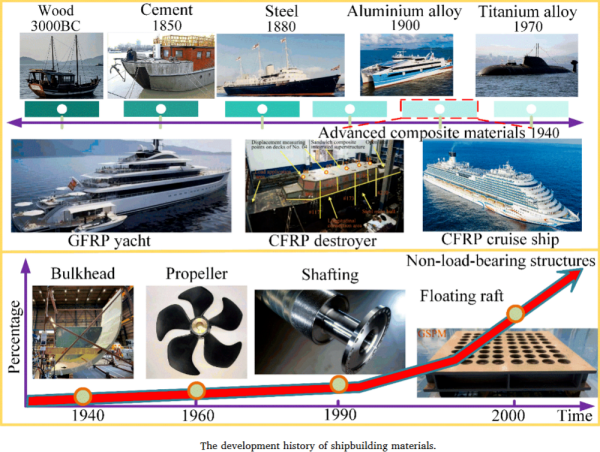
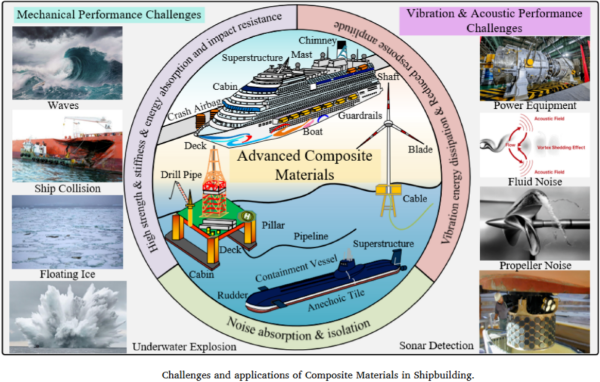
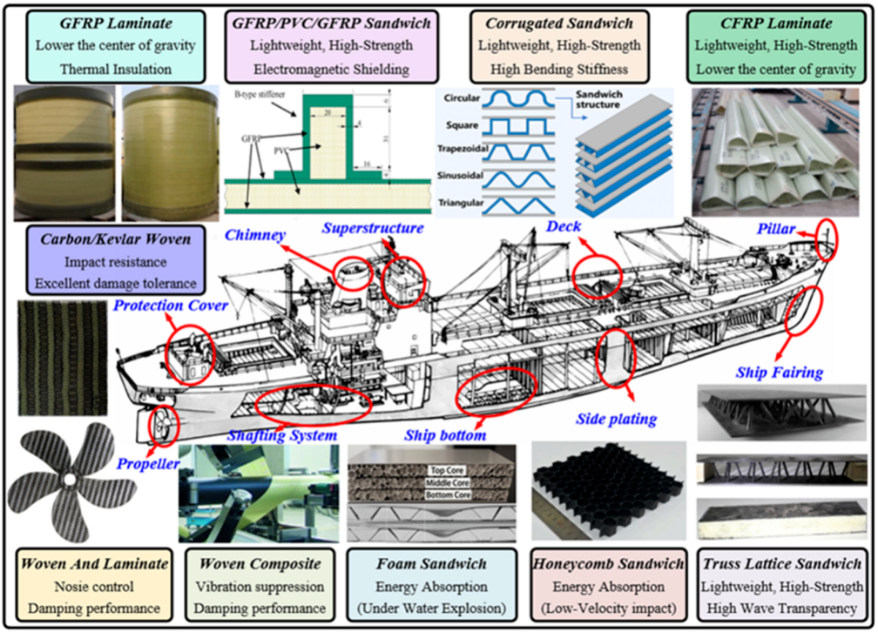
Les matériaux composites jouent un rôle de plus en plus important dans la construction navale moderne. Des bateaux à grande vitesse et navires de patrouille aux coques de sous-marins et même aux superstructures de grands navires militaires, les composites renforcés de fibres de carbone et de fibres de verre sont devenus le choix privilégié pour les structures marines légères.
Cependant, les composites présentent également une faiblesse bien connue : ils sont particulièrement vulnérables aux dommages dus aux impacts à faible vitesse.
Imaginez un bateau de patrouille composite heurtant doucement un quai. Extérieurement, la coque peut ne présenter rien de plus qu’une petite bosse — un phénomène connu sous le nom de dommages d’impact à peine visibles (BVID).
Pourtant, une inspection par balayage C ultrasonore révèle souvent de graves dommages internes cachés sous la surface.
De nombreuses études expérimentales montrent que la résistance à la compression après impact (CAI) des stratifiés composites impactés peut diminuer jusqu’à seulement 40 à 60 % de leur résistance initiale à la compression.
Une expérience représentative a montré qu’un stratifié soumis à un impact de 28 J a subi une rupture sous une charge de compression de 55,2 kN. Des essais de fatigue ont ensuite été réalisés en utilisant 65 à 80 % de cette charge résiduelle.
Lorsque des charges de compression sont appliquées, les zones délaminées ont tendance à flamber localement comme une feuille de papier sous compression. Cette instabilité favorise une croissance rapide du délaminage, affaiblissant progressivement la structure jusqu'à une rupture catastrophique.
Les structures marines subissent des chargements cycliques continus dus aux vagues tout au long de leur durée de service. La durée de vie résiduelle en fatigue décrit le nombre de cycles de chargement qu'un stratifié endommagé par impact peut encore supporter avant la rupture.
Les modèles de prédiction modernes peuvent estimer la durée de vie résiduelle en fatigue des stratifiés composites endommagés par impact avec une erreur inférieure à 15%, ce qui les rend suffisamment précis pour des applications pratiques en ingénierie.
Suivez nous :


-- obtenir des mises à jour avec les derniers sujets

 email
email français
 English
 Deutsch
 русский
 italiano
 español
 português
 العربية
 日本語
日本語 한국의
한국의 中文
中文